

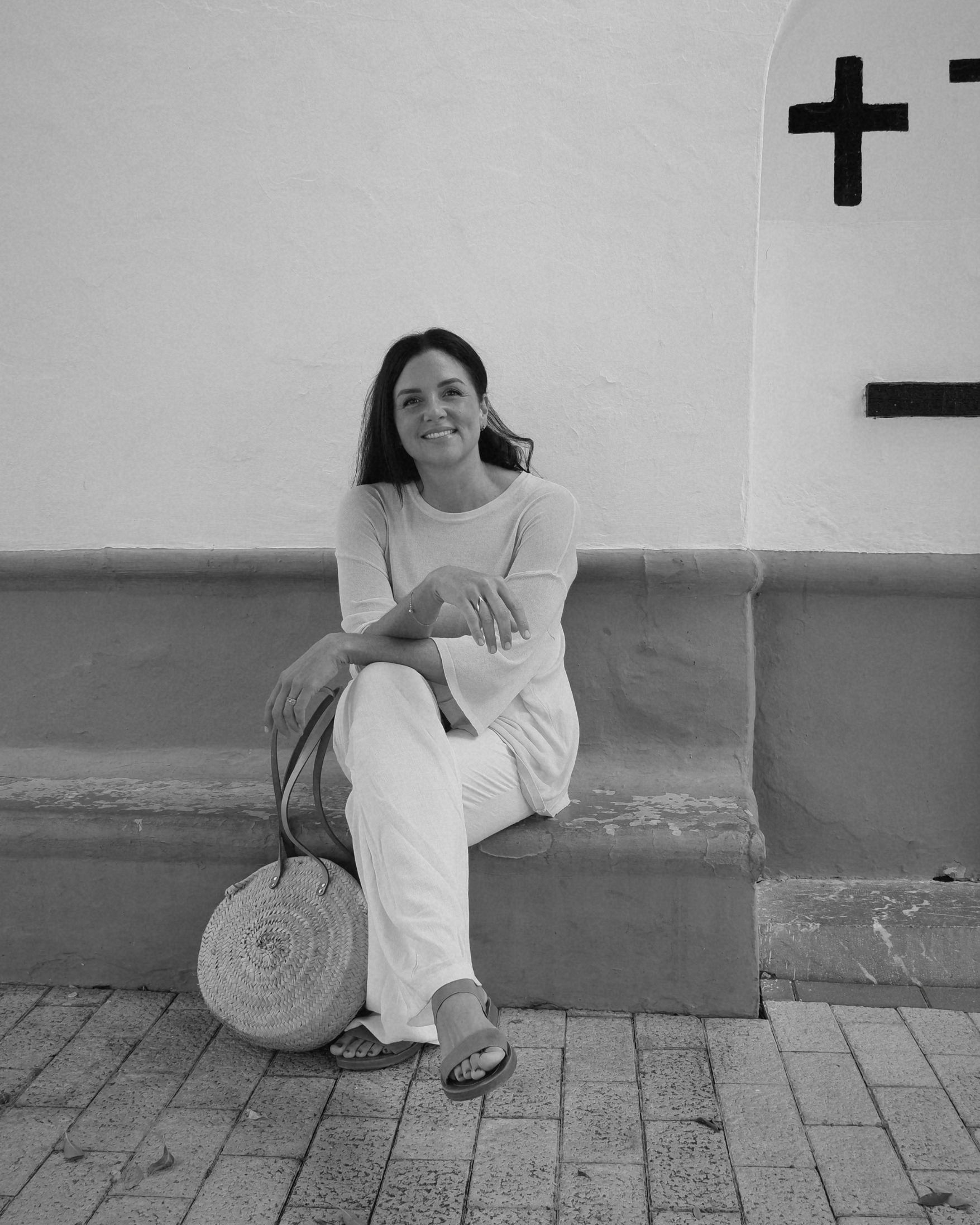
GISELLA RAMON BROWN
CHIROPRACTOR
IBICENCA
NATURE LOVER
Grew up in IBIZA
Living in Ibiza since: Returned in 2021
Gisella Ramon Brown grew up in the campo just outside Santa Eulària, surrounded by fields, forest and an Ibicenco family whose relationship with the land followed rhythms that had changed little for generations.
She left the island at 17 with little intention of returning, building a life and career in Canada before an unexpected pull brought her home almost two decades later. Five years on, she finds herself living close to where she grew up, caring for some of the same generation who helped raise her and rediscovering parts of herself she had left behind.
Gisella’s connection to Ibiza reaches back through both sides of her family. Her father is Ibicenco and her English mother had lived on the island since childhood, but Gisella herself was born unexpectedly in Canada while her parents were travelling. At three months old she was brought home to Ibiza, where she would remain until leaving for university. Although the family house sat close to the Ibiza-Santa Eulària road, behind it were fields and forest, and much of her childhood was spent in the campo.
“We mostly grew up in the campo. Even though our house was close to the road, it backed onto tons of fields and forests. That’s where I grew up.”
She grew up with two younger siblings and remembers the five of them doing almost everything together. Sundays often meant Cala Sant Vicent, where her parents would take the family to spend the day by the sea.
“Cala Sant Vicent was a big one for me because that was one of the beaches my parents used to take us to every single Sunday when we were young. The whole family of five would do everything together.”
Her maternal grandparents ran a small hotel in Santa Eulària, bringing another part of the island into her childhood. Puig de Missa was on one of the walks she regularly made with her granny, climbing through the old streets towards the church and the view over the town.
“I always remember climbing up to the top with my granny and looking down at the view of Santa Eulària through some of those old tiny windows.”
Life with her Ibicenco family was also shaped by the rhythms of the campo: fields being ploughed, almonds, olives and oranges picked according to the season, long family lunches and older relatives remaining firmly at the centre of family life.
“It’s the times of year when they plough their fields, when we pick the almonds, the olives and the oranges. It’s those cycles in the campo that are always present and very much associated with my childhood.”
At the time, many of the traditions around her simply felt ordinary. Ball Pagès was something her cousins did, with the traditional clothing and jewellery part of the culture she had grown up surrounded by. Only later would she begin to understand how easily some of those things could be lost.
“I remember when I was a kid I didn’t really give it that much importance because a lot of my cousins were into it. Now, in retrospect, I almost wish I was more interested in it when I was younger.”
At 17, Gisella left for university and, by coincidence, returned to the country where she had been born. During the first years she still came home to Ibiza each summer to work as a waitress, but as her studies progressed, Canada gradually became home. Chemistry eventually led her towards chiropractic, and she built a career and an adult life there.
“I had no interest in coming back. I think when you grow up on the island, sometimes it can feel very small. I just had this urge to go far away.”
That changed unexpectedly after Covid. Gisella began feeling an increasingly strong need to return to Ibiza, despite having spent years imagining her future elsewhere. She and her now husband began dismantling the life they had built in Canada, selling their house, cars and almost everything they owned.
“We basically sold all of our belongings and ended up with five suitcases and two cats.”
The decision itself took time, but in her mind Gisella had already begun constructing the life she wanted to come home to. She pictured the landscape she had grown up amongst, particularly the pine forests and the familiar scents of the island’s woodland.
“One of the primary visions I would always get was of the pine trees and hearing the whispers of the pine trees blowing in the wind.”
The smell of rosemary and pine, the woodland and the campo were all very present in her mind as she imagined what she wanted her life in Ibiza to look and feel like.
Coming home, however, was more confronting than Gisella had anticipated. She had planned to take a nine-month sabbatical, but without the structure of the career she had spent years building, she found herself questioning who she was outside of it.
“I basically had a personal crisis, an identity crisis, when I first got back. I was confronted with a lot of versions of myself that I didn’t necessarily like at the time.”
Years of working in North America had placed her firmly on what she describes as the hamster wheel, where professional success and earning more had become closely connected to her sense of self-worth.
“I think Ibiza really softened me.”
The process wasn’t immediate or always comfortable, but over time Gisella began questioning how much space she wanted work to occupy in her life.
“Coming back to Ibiza, it was like, hold on a second. What are the important parts of life here?”
She began thinking about how she wanted her days to feel, rather than simply what she wanted to achieve within them, and learning to value parts of herself that had nothing to do with her career. Friends and family noticed the change too.
“A lot of them have said that I feel like a very different person nowadays, on an energetic level and on a personal level.”
Today, those days have taken on a rhythm that bears little resemblance to the life she left behind. Gisella starts each morning walking through the campo with the rescue dog she says “found” her shortly after she returned. The walks are deliberately long and tech-free, time to gather her thoughts amongst the fields and the sound of cicadas. Food has also become an important part of everyday life. Neighbours arrive with boxes of vegetables and fresh eggs from their farms, which find their way into the meals she prepares for herself and her family.
“Food is medicine, and that has become even more obvious for me here.”
There is exercise, weightlifting and time for mindfulness, alongside her work as a chiropractor. At the end of the day she returns to the campo again, walking the dog and spending time with family, increasingly conscious of putting screens away and allowing the day to finish gently.
“Ibiza forced me to look at what true work-life balance is and how I want the rest of my life to be and to feel.”
Returning to the island hasn’t made Gisella less ambitious. Instead, it has changed what she wants her work to contribute. Her practice has brought her back into contact with the older Ibicenco generation, many of whom remind her of the people who surrounded her as a child.
“It ignited this need to come back and take care of the community, especially the older Ibicencos who raised me, and to really give back to them.”
She talks particularly about the women of her grandmothers’ generation, many of whom grew up with very little and carried enormous responsibility within their families and homes.
“The Ibicenco women did it all. They were running households, families, everything. They just did so much. I have this want and need to take care of them now.”
Ibiza has also changed the way Gisella practises. Where she once approached her work more rigidly, she now feels increasingly comfortable considering different possibilities and questioning assumptions.
“I used to be a lot more rigid in my ways. There was a lot more black and white, whereas now there’s a lot more grey.”
For Gisella, becoming more open as a person has naturally carried into the way she works with her patients.
“It’s really allowed me to open my eyes to lots of different possibilities and become a lot more flexible as a practitioner.”
Away from work, she remains what she calls “such a creature of habit”, returning to places layered with memories of growing up here. Cala Sant Vicent is still one of them. Today she heads towards the fishing huts, following the little path to the flat rocks where she can sunbathe and jump directly into the water. She also has what she calls her “little swimming hole”, a secret beach beyond Cala Xarraca with the feeling of a lagoon, where she likes to swim first thing in the morning before it gets busy.
Puig de Missa holds a different kind of familiarity. The walks she made there with her granny as a child are still part of how she experiences the place today. She returns when she wants quiet or time to reflect.
“There’s a feeling of familiarity and comfort when I go up there. It’s somewhere I always go back to.”
Living here as an adult has made Gisella more aware of how much the island around those memories has changed. The road beside her childhood home is now filled with a level of traffic and noise that simply wasn’t there when she was young, while the tourism she remembers through her grandparents’ hotel was very different from much of what she sees today.
“They were regular families coming, especially from the UK, Germany or France. It was very much a family-based holiday.”
She feels the island has become more saturated and increasingly shaped by an elite, high-spending market. Yet behind that Ibiza, the one Gisella grew up with continues.
“For me, it’s campo life.”
She sees it in the older Ibicencos following the same agricultural cycles year after year and, most personally, in her Ibicenco granny next door still tending to the land. The things that surrounded Gisella as a child have become the things she now feels an increasing responsibility to protect: how the land is farmed, traditional irrigation systems, the care of the trees and the knowledge of when to plant, harvest and gather what the land provides.
Family remains another constant. Sunday lunches, several generations gathering together and the expectation that older family members remain part of everyday life are traditions Gisella hopes will continue. As a child, this was simply how family worked.
“Here, elders are cherished. Even if they can’t do quite as much, they’re still part of the gatherings.”
She sees something particularly valuable in the relationships between generations within Ibicenco families.
“It’s those beautiful intergenerational relationships that are very much present in Ibicenco culture that still prevail.”
Her desire to protect that culture extends to traditions she barely thought about when she was growing up. Ball Pagès, which many of her cousins practised, has taken on a different significance with age. The traditional clothing, jewellery and dancing that once seemed so familiar now feel much more vulnerable.
“I think it’s something that, if we don’t protect our traditions and keep them alive, they can disappear really quickly.”
The island Gisella returned to has also opened parts of her that she hadn’t expected. She feels strongly connected to Tanit and the feminine energy she associates with Ibiza.
“I find that Tanit’s energy is very much present on the island. I feel like that’s what really helped soften me and allowed me to step into my feminine.”
For Gisella, this sits alongside the physical experience of living here: sunshine throughout the year, bare feet on the ground, the scent of pine and rosemary and the possibility of being outdoors whatever the season.
“I think Ibiza offers a certain level of acceptance to be who you are.”
It is one of the things she believes remains unusual about the island.
“There’s an openness to those of us who live here that really allows people to just be, to not necessarily feel judged, and to feel that everybody is welcome and that we’re all part of it.”
There is another quality she finds harder to define.
“I think there’s a certain degree of magic that this island offers. Things happen that probably shouldn’t happen in the normal sense, but they just do.”
For someone who once wanted nothing more than to leave, coming home has altered both the shape and pace of Gisella’s life. She has returned to the campo where she grew up, to familiar beaches and walks, to an older generation she now has the opportunity to care for, and to traditions she understands differently as an adult. The island itself has changed enormously in the years between, but the parts of Ibiza she feels most connected to remain remarkably familiar: the land, the family around it and the rhythms that continue from one generation to the next.
more reflections

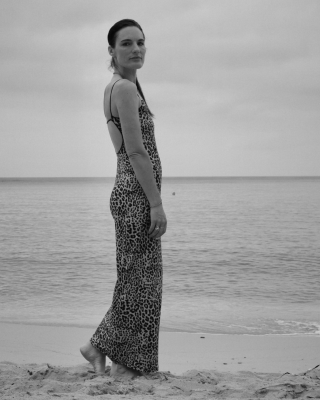
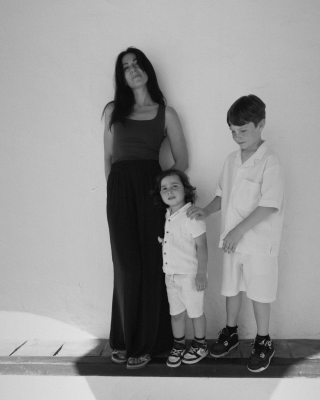
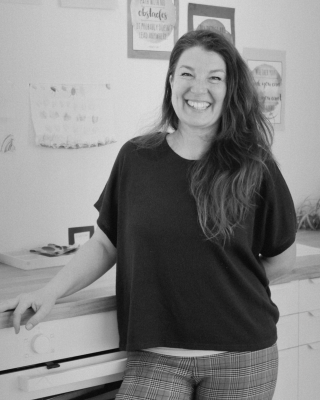
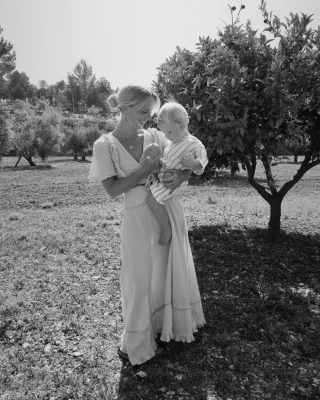
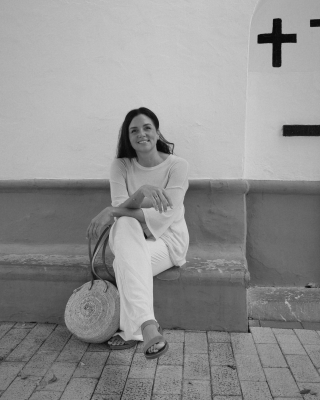
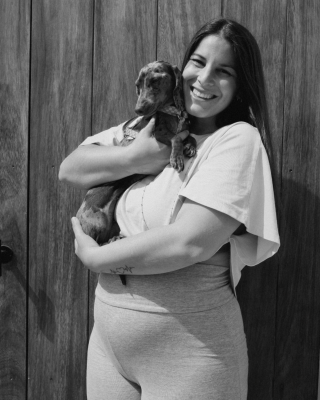
Gisella Ramon Brown
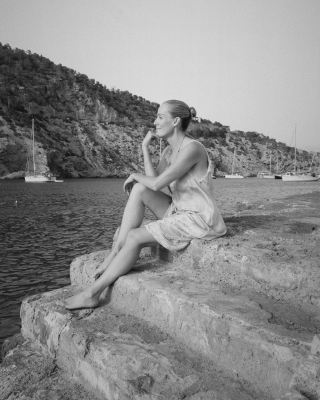
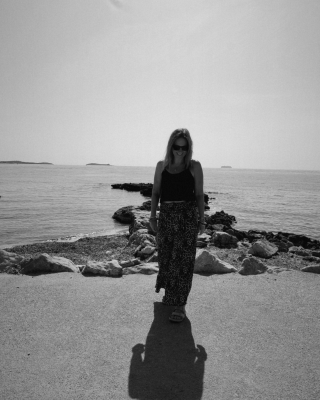
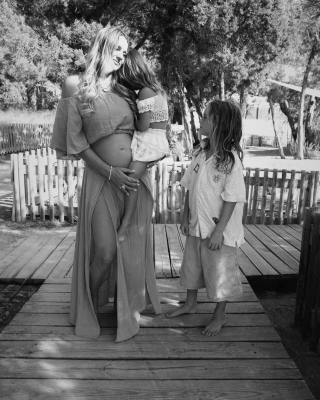
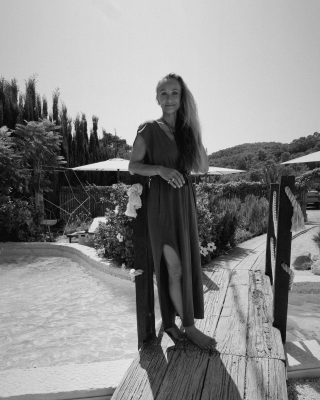
Born to an Ibicenco father and English mother, Gisella Ramon Brown spent her childhood surrounded by the countryside of Santa Eulària before leaving the island at 17. After building a career in North America, she returned to Ibiza in 2021, rediscovering her connection to the land, her family and the traditions that shaped her upbringing.